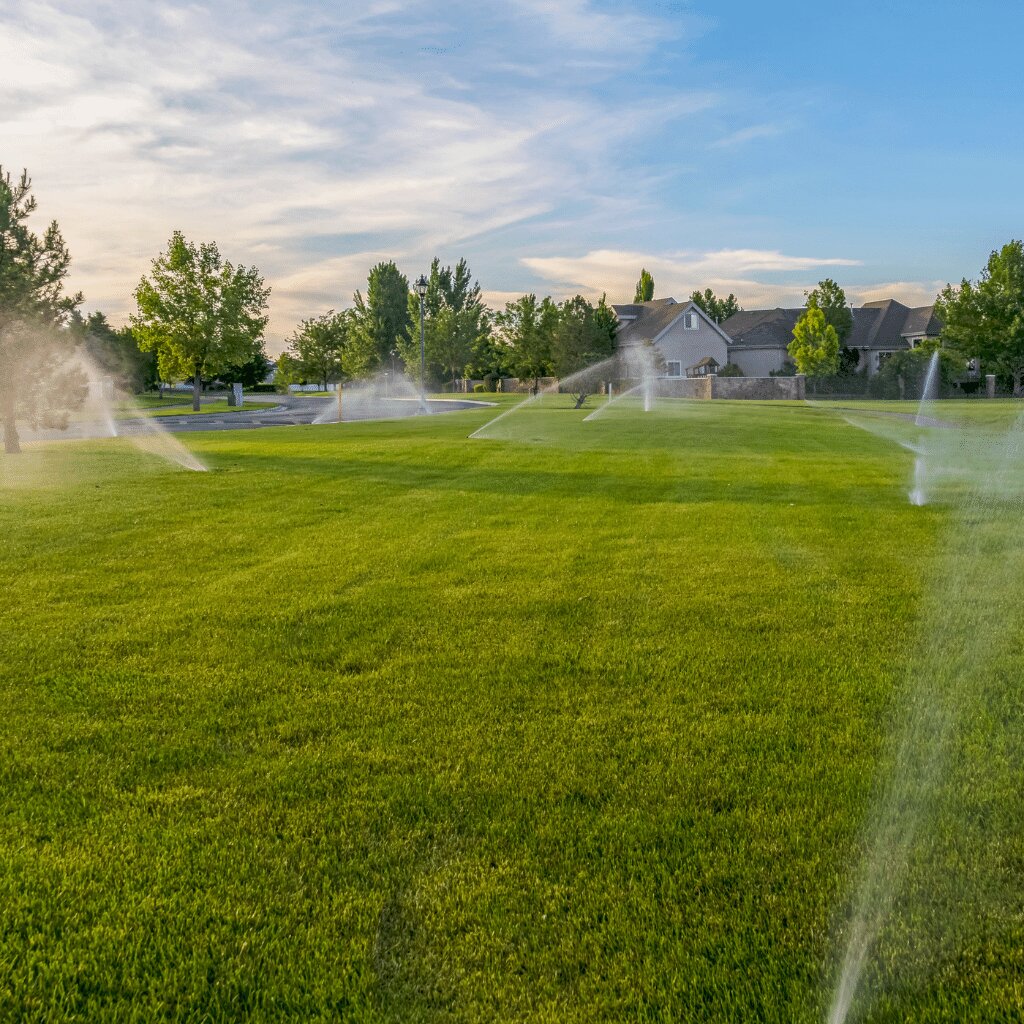
A well-designed irrigation sprinkler system is the foundation of a healthy, vibrant landscape. Unlike manual watering with a hose, which is often inconsistent and wasteful, an automatic watering system is engineered to provide uniform coverage without any manual effort on your part.
Investing in a sprinkler system brings a host of advantages for Minnesota homeowners:
- Time Savings: Reclaim your evenings and weekends. Instead of spending hours watering your property by hand, an automated system handles the task for you, even when you're on vacation.
- Water Efficiency & Conservation: Modern systems are designed to minimize waste. By delivering water directly to root zones during optimal times, they reduce evaporation and runoff. Smart systems can save up to 50% more water than traditional controllers.
- Healthier Landscape: Consistent, deep watering encourages stronger, deeper root growth. This makes your turf, trees, and plants more resilient to drought, disease, and pests.
- Increased Property Value: A beautiful, well-maintained landscape significantly boosts curb appeal and can increase your property's market value.
Ready for Professional Installation?
Our expert team designs and installs custom sprinkler systems for homes throughout the Twin Cities.
View Our Installation ServicesTypes of In-Ground Sprinkler Systems
When planning your landscape's hydration, it's important to know that not every sprinkler system is created equal. The best choice depends on your property's size, shape, and the types of plants you have.
Spray Head Systems
These are the most common type for small to medium-sized residential lawns. When activated, the heads pop up from the ground and emit a fixed, fan-like spray of water. They are excellent for providing even, consistent coverage over shorter distances (typically 5 to 15 feet).
Rotor Sprinkler Systems
Ideal for medium to large lawn areas, rotor systems feature a head that pops up and rotates, casting streams of water over a long distance (from 15 to over 50 feet). Because they deliver water more slowly than spray heads, rotors allow for better absorption into the soil.
Drip Irrigation Systems
For garden beds, vegetable patches, shrubs, and trees, drip irrigation is the gold standard of water efficiency. This system uses a network of tubes with small emitters that deliver water slowly and directly to the base of each plant.
Smart Irrigation Systems
Smart controllers connect to Wi-Fi and use real-time data from local weather stations or on-site sensors to automatically adjust watering schedules. If it rained last night or a storm is in the forecast, the system will skip its next cycle.
Upgrade to Smart Irrigation
Save water and money with weather-based smart controllers. We install and configure smart systems.
Learn About Smart IrrigationKey Components of a Sprinkler System
- The Controller (or Timer): The electronic brain of the operation where you program watering schedules for each zone.
- Valves: Control the flow of water to each zone. When the controller sends a signal, the designated valve opens.
- Pipes and Fittings: The underground circulatory system that carries water from your main line to every sprinkler head.
- Sprinkler Heads and Emitters: The final delivery points—spray heads for small areas, rotor heads for large expanses, and drip emitters for garden beds.
- Backflow Preventer: A critical safety device that ensures water from the sprinkler system can never flow backward into your potable water supply. Most municipalities require annual backflow testing.
Essential Maintenance Tips
An irrigation sprinkler system requires regular maintenance to perform at its best. The most important tasks are tied to the changing seasons:
Spring Start-Up
As temperatures rise, slowly open the main water valve to prevent water hammer. Run each zone manually and check for leaks, broken heads, or clogged nozzles. Our spring startup service handles all of this for you.
Summer Optimization
Monitor your landscape and adjust your controller's watering schedule based on heat and rainfall. A rain sensor can automatically pause the system during downpours.
Fall Winterization
This is the most crucial maintenance task for Minnesota homeowners. Before the first hard freeze, all water must be blown out of the pipes using compressed air. Failure to do so can result in cracked pipes and damaged valves. Our professional winterization blowout service protects your system all winter long.
Need Help With Your Sprinkler System?
Whether you need a new installation, repairs, or seasonal maintenance, our certified technicians are ready to help.